

2025-09-25T10:19:54
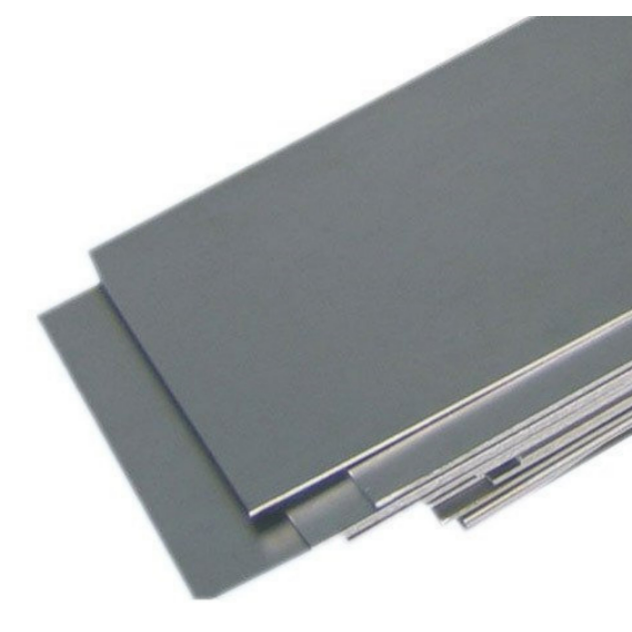
M2 steel, also known as High-Speed Steel (HSS), is a tungsten-molybdenum tool steel renowned for its excellent wear resistance, hardness, and heat resistance. In sheet form, M2 steel is widely used in industrial applications where durability, cutting efficiency, and high-temperature performance are critical. M2 steel sheet typically contains carbon (0.85%), tungsten (6.0%), molybdenum (5.0%), chromium (4.0%), vanadium (2.0%), and a small percentage of cobalt. This unique alloy composition allows it to maintain hardness up to 62-67 HRC even under intense heat generated during high-speed cutting or machining operations. Common uses for M2 steel sheets include the manufacturing of cutting tools, drills, saw blades, punches, dies, and wear-resistant machine components. Because of its ability to retain a sharp edge and resist deformation, M2 is a go-to material in tool and die-making industries. M2 sheets are available in various thicknesses and can be precision-ground or annealed, depending on end-use requirements. The annealed version offers better machinability and can be heat-treated to the desired hardness. Once hardened, M2 steel sheets are challenging to grind, so precision processing before hardening is essential. While M2 is more expensive than carbon steels or basic alloy steels, its long service life and resistance to softening at high temperatures make it a cost-effective choice for demanding applications. In summary, M2 steel sheets offer a high-performance material solution for industries that require extreme durability, sharp cutting edges, and heat resistance. Their versatility, strength, and consistent performance under stress make them indispensable in modern manufacturing and metalworking processes. Proper handling and heat treatment ensure maximum efficiency and longevity of M2 steel components.
Have a question? Ask here!
Required fields are marked *